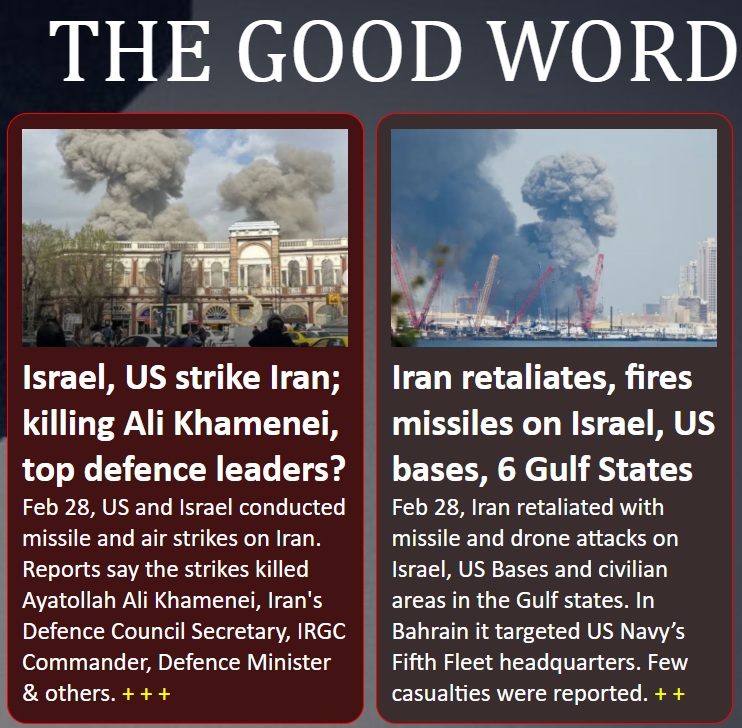
First ten days - Feb 28 to Mar 9, 2026:
Feb 28, Israel and the US declared they had launched a 'pre-emptive attack' on Iran as Tehran was seeking to build a nuclear weapon and enhance missile capabilities. The attack, named Operation 'Roaring Lion' by Israel and 'Epic Fury' by the US, eliminated a broad segment of Iran's top leadership in the opening strikes. They hit IRGC facilities, Iranian air defences, drone launch sites, airfields, missile sites, the navy and nuclear facilities. Prime Minister Benjamin Netanyahu said the operations would continue as long as necessary and called on Iranians to take their destiny into their own hands.Iran retaliated with Operation ‘True Promise 4’ launching missiles and drones at Israel and US bases in the Gulf region. The strikes focused on blinding or degrading US military capabilities by targeting radar systems, communication equipment (SATCOM terminals and radomes protecting antennas). A few targeted government and civilian infrastructure. The estimated cost of destroyed American military equipment approached $2 billion in the first five days.
Mar 2, Hezbollah also joined the war and carried out 192 waves of attacks on Israeli territory including launches of rockets, missiles and UAVs. Israel responded by attacking over 600 targets in Lebanon using more than 820 munitions.
Israel-US strikes on Iranian leadership:
Feb 28, Israeli and US opening strikes were timed precisely to target a high-level meeting held by the Supreme Leader Ali Khamenei and key aides, including Ali Shamkhani (former Supreme National Security Council secretary and senior security adviser), Mohammad Pakpour (IRGC commander) and Aziz Nasirzadeh (Defence Minister and former air force commander) among others. It was convened at Khamenei's compound in Tehran. All four were confirmed killed in the operation along with several second-tier leaders, underscoring the role of detailed insider intelligence that went beyond standard surveillance methods.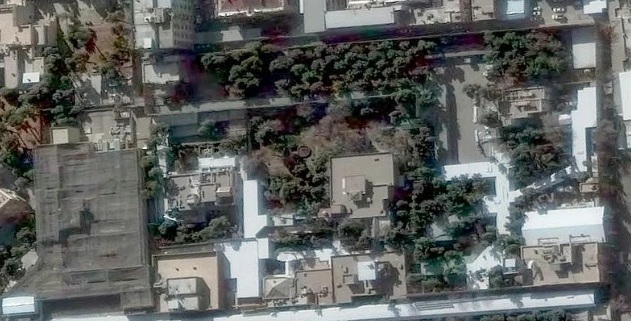
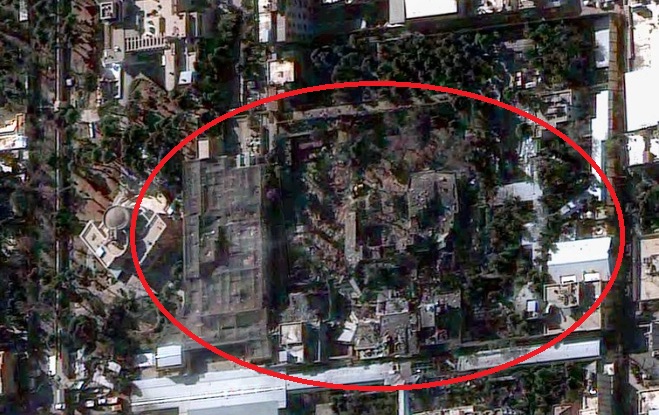
Mar 3, Israeli forces targeted a government building in Tehran where an Assembly of 88 clerics was to be convened urgently to select Khamenei's successor. It is unclear how many were killed in the precision airstrike.
Mar 8, US President, Donald Trump told the media, 'Whoever they pick as the next Ayatollah puppet won't last long without my approval.'. He also said, 'Khamenei’s son is unacceptable to me'.
Mar 9, the attack triggered a week's delay in the succession announcement. Iran's state media confirmed Mojtaba Khamenei's appointment as the new Supreme Leader. Mojtaba, Ali Khamenei's son, is believed to hold views that are even more hard-line than his late father.
Missile attacks, intercepts and launcher eradication:
The war has seen intense exchanges of ballistic and cruise missiles, and drones.Iran had an estimated 400 to 550 missile launchers at the start of the war. US-Israel airstrikes eliminated 300 and 415 launchers in the first week.
Israel has dropped over 7,500 munitions on Iranian targets since the war began. US Central Command (CentCom) stated that American forces attacked more than 3,000 targets during the first week of the war.
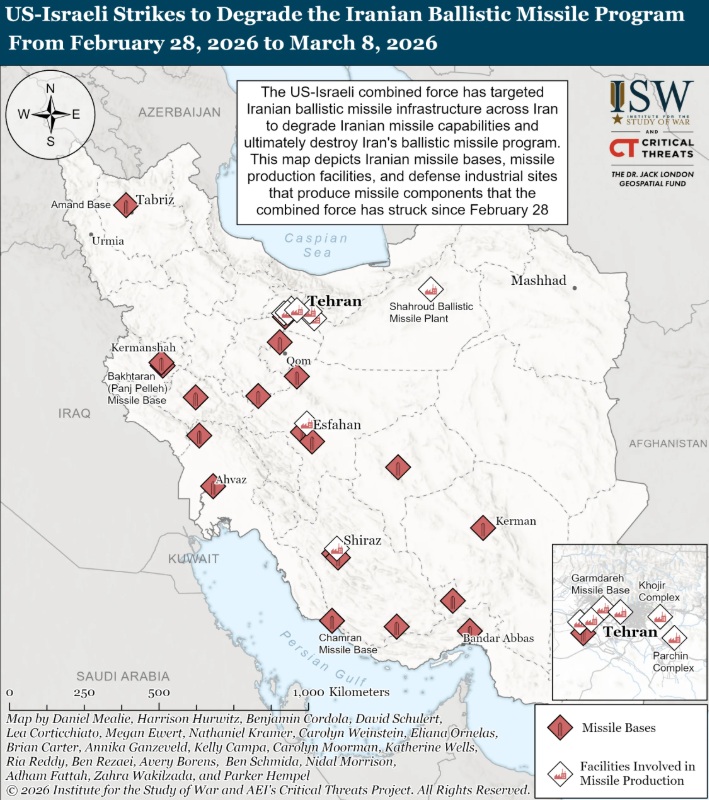
Iran's retaliatory attacks targeted over a dozen of its neighbouring Gulf nations. It focused the largest part of their projectiles on the UAE, which hosts American troops at Dhafra. It was the most targeted Arab state in the Gulf, with 1,072 drones and 196 ballistic missiles in the first week. Israel was targeted by over 200 ballistic missiles and 42 drones until Mar 7. Iran has likely fired over 1,000 ballistic missiles and 2,200 drones since the war began.
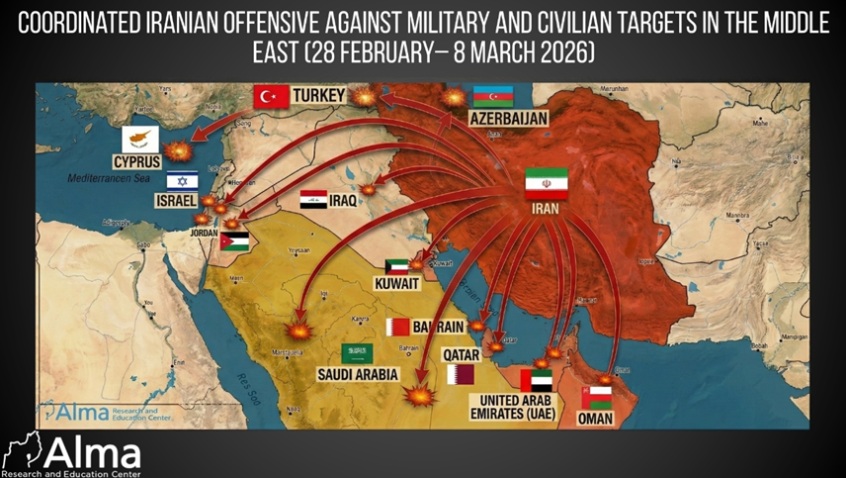
US interception rates have averaged 80-95% in defended areas, with a sharp decline in Iranian launch tempo after initial days.
The first 100 hours alone cost the US and Israel roughly $5.8 billion. The 'race to the bottom' of interceptor stockpiles like those for the Patriot and Iron Dome systems is a concern as the conflict moves into its second week. The cost asymmetry between a low-cost attacking projectile and high-cost interceptor worsens US-Israel worries.
Attacks on Airforce:
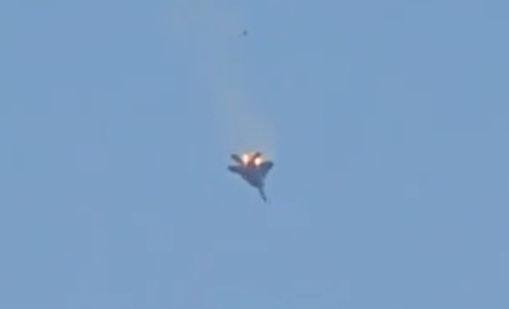
Mar 5, an Israeli 'Adir' F-35I fighter jet shot an Iranian Yak-130 fighter jet in aerial combat. US CENTCOM’s released footage showing joint Israel-US decapitation and SEAD (Suppression of Enemy Air Defenses) strikes targeting active and derelict Iranian planes on the ground that include two F-5s, one F-4, two Su-24s, one Yak-130 and six unknown fighter jets.A Qatari F-15 has also destroyed two Iranian Sukhoi Su-24s over the Gulf, but no footage of that has so far been released.
3 US F-15E Strike Eagle jets were lost in a friendly fire incident by Kuwaiti air defences. While all six aircrew survived, the planes did not. The cost of replacing them will be estimated at $282 million.
Attacks on the Navy:
Mar 4, the US strike to sink the Iranian frigate IRIS Dena stands as one of the most controversial naval engagements of the conflict. It occurred in international waters thousands of miles from the primary theatre of war close to Sri Lanka. The IRIS Dena (75), a 1,500-ton Moudge-class frigate was one of the newest vessels in the Iranian Navy was returning after participating in a naval exercise Milan 2026, hosted by India, in Visakhapatnam.Iranian officials claim the ship was unarmed and unloaded due to the protocols of the peace-time exercise in India. The frigate was torpedoed and sunk by US' submarine Charlotte killing 104 people were killed and 32 others injured.
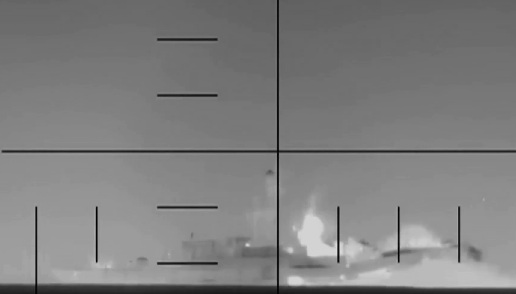
Mar 6, US CENTCOM has just released footage showing the double strike of the converted Iranian drone carrier, the IRIS Shahid Bagheri. The massive ship was converted from the container ship Perarin.
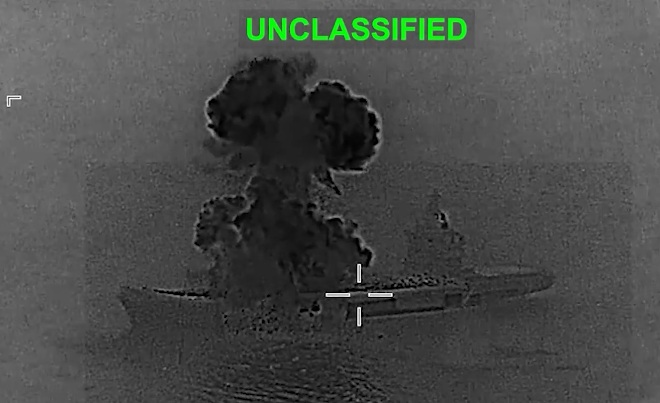
The US claims Forty-three Iranian vessels were destroyed or damaged. Three regional headquarters of the IRGC Navy were also attacked.
US Aircraft Carriers USS Abraham Lincoln and USS Gerald R Ford were station in the region with a contingent of destroyers and littoral combat ships. A third aircraft carrier George Bush is now also on its way to the Middle East. The estimated cost of supporting the first two was estimated $15 million a day.
Attacks on Military Bases, Radars, Communication and Air Defence Systems:
Iran targeted US military bases and facilities in the Gulf:• US Navy's Fifth Fleet headquarters in Manama, Bahrain (Feb 28). Iran struck two satellite communications terminals and several large buildings. Open-source intelligence identified the targeted SATCOM terminals as AN/GSC-52Bs, which approximately cost $20 million.
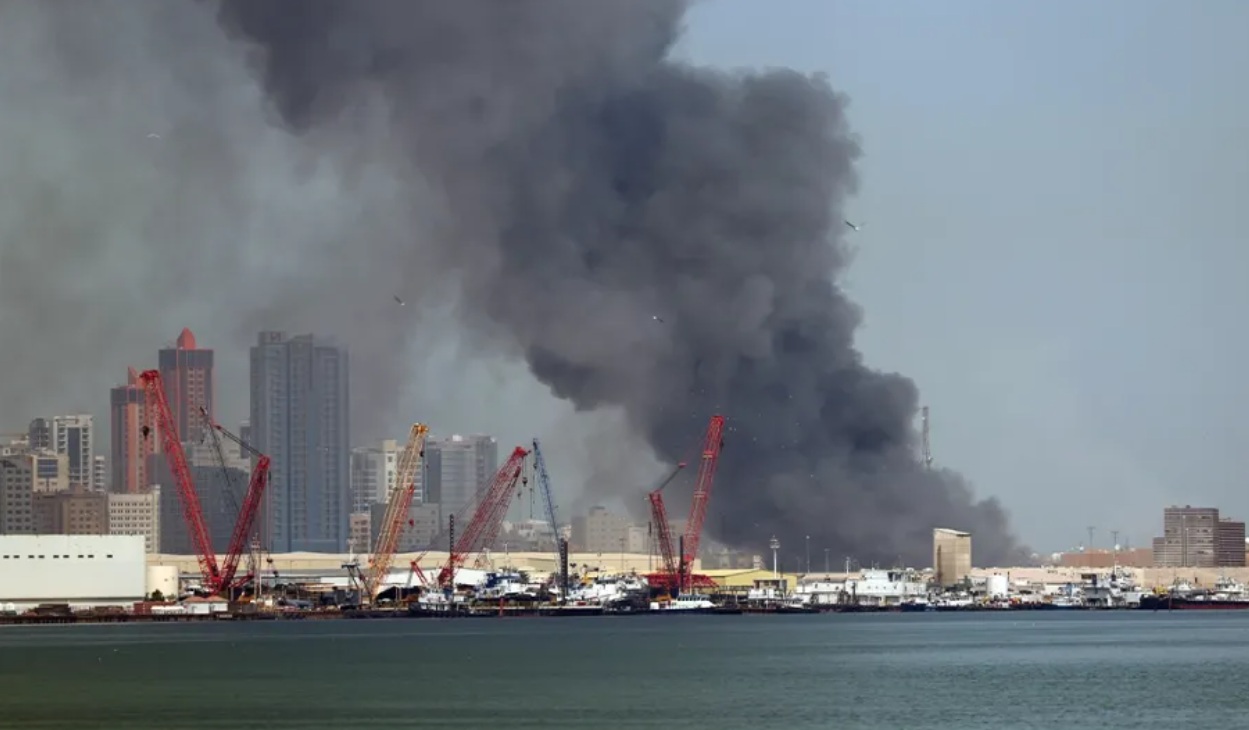
• Camp Arifjan, Kuwait
• Ali al-Salem Air Base and Camp Buehring in Kuwait
• Erbil Base in Iraq
• Al-Udeid Air Base, Qatar, the US military's largest base in the Middle East (Mar 1 ).
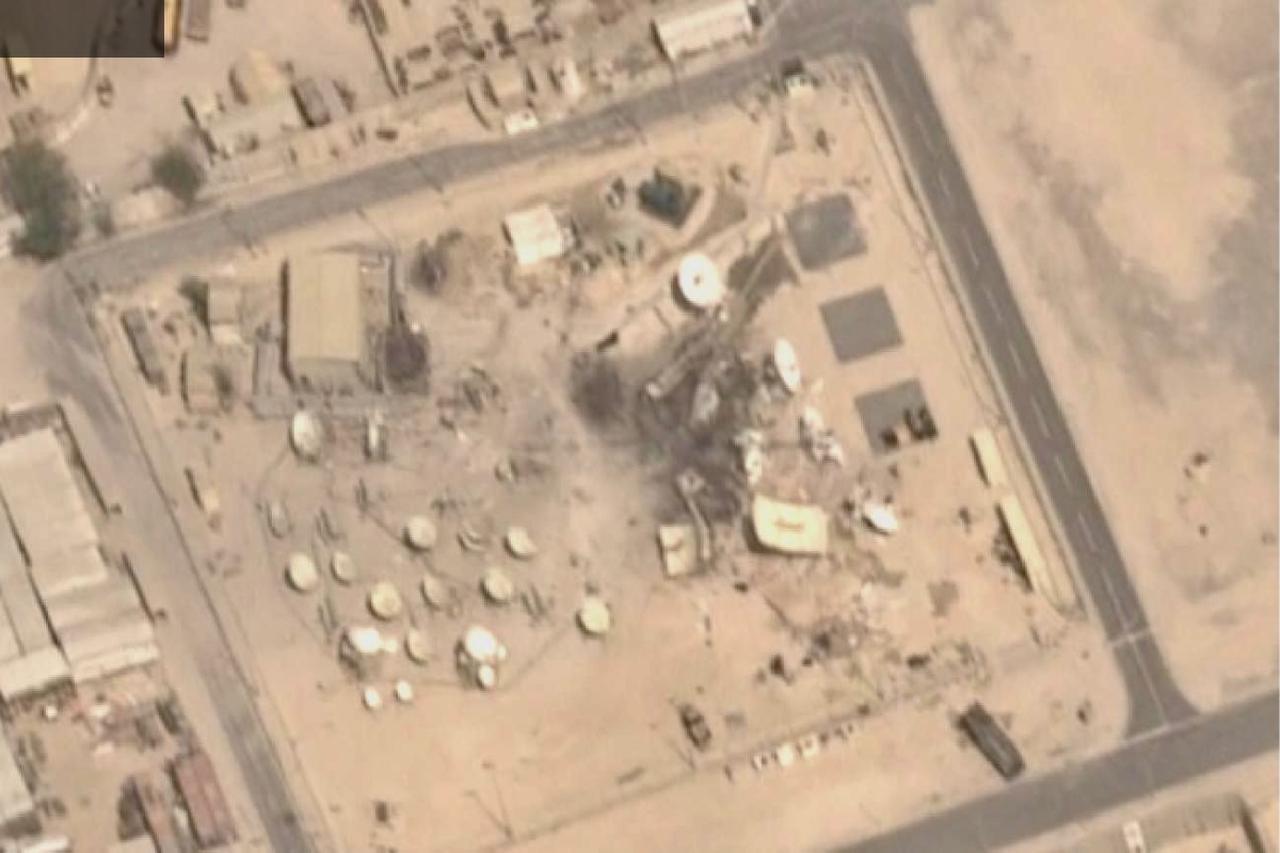
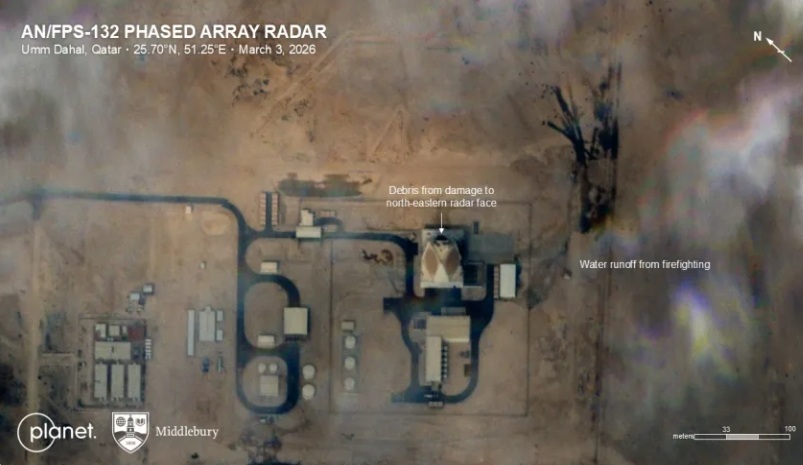
• Umm Dahal, Qatar (Mar 1 to 3). A US Space Force's AN/FPS-132 (Block 5) Ballistic Missile Early Warning Radar was damaged.
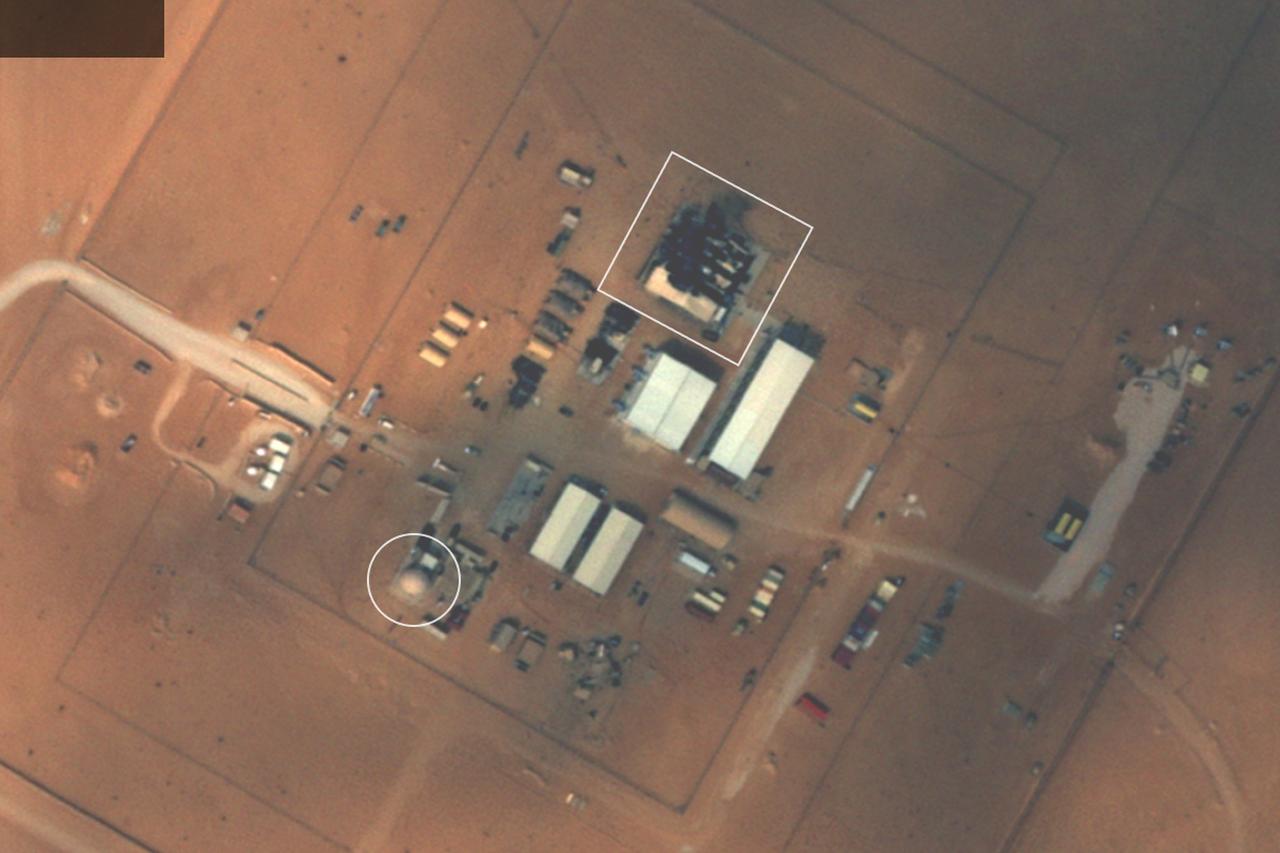
• Prince Sultan Air Base in Saudi Arabia (Mar 3). A tent used to shelter a radar system for a nearby THAAD battery was badly charred.
• Jebel Ali Port in Dubai, UAE (Mar 1)
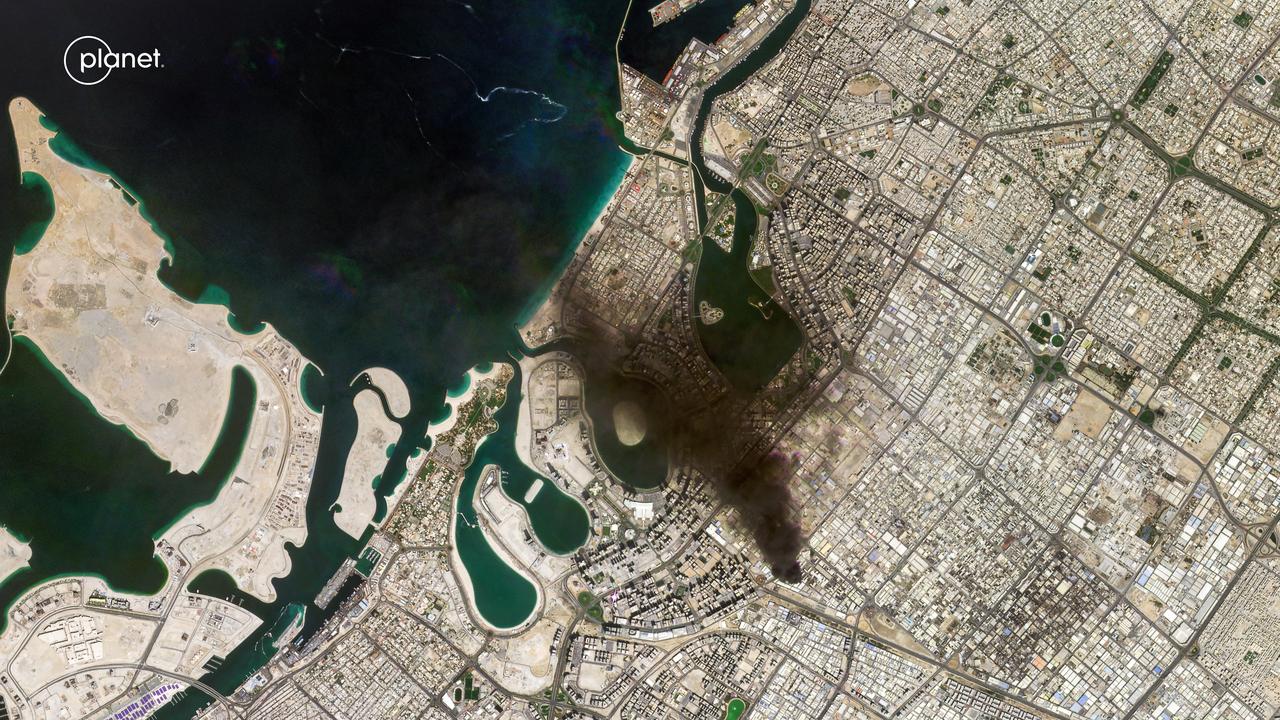
• Al-Ruwais Industrial City, UAE (Feb 28 to Mar 1). At least three buildings at a military installation damaged. Iran claimed to have destroyed the AN/TPY-2 radar component of the THAAD Anti-Ballistic Missile (ABM) System.
• Al Sader, UAE (Feb 28 to Mar 1). Pull-through vehicle sheds used to store radar systems for THAAD batteries struck.
• Al Dhafra Air Base in the UAE.
• Muwaffaq Salti Air Base in Jordan (Mar 2). A THAAD radar, AN/TPY-2 is hit.
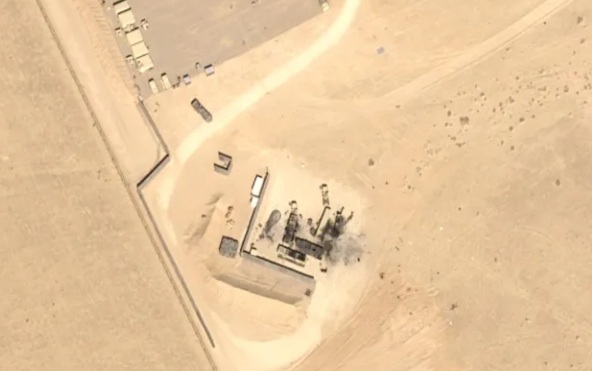
The THAAD (Terminal High Altitude Area Defence) radar is an AN/TPY-2 transportable radar, manufactured by Raytheon that costs just shy of half-a-billion dollars each. Damaging the radar does not make the THAAD system completely inoperable, but degrades capability.
The AN/FPS-132 radar (Block 5) is part of the US' Upgraded Early Warning Radar (UEWR) built by Raytheon. It cost an estimated $1.1 billion, and operates in the ultra-high frequency (UHF) band capable of detecting and tracking ballistic missile launches at distances of up to 5,000 kilometres.
Attacks on the nuclear facilities:
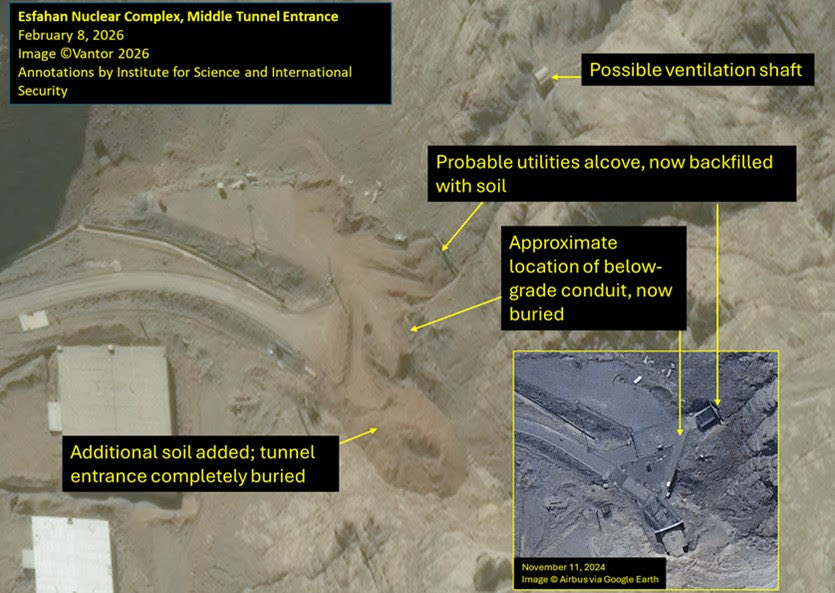
Iran's nuclear facilities, including Natanz, uranium enrichment site and Isfahan, a nuclear technology centre were hit marking the first direct attack on a nuclear site in this campaign. Iran claimed limited damage was done. Iran had covered the entrances and critical structures at the Isfahan tunnel complex with soil to avert strikes.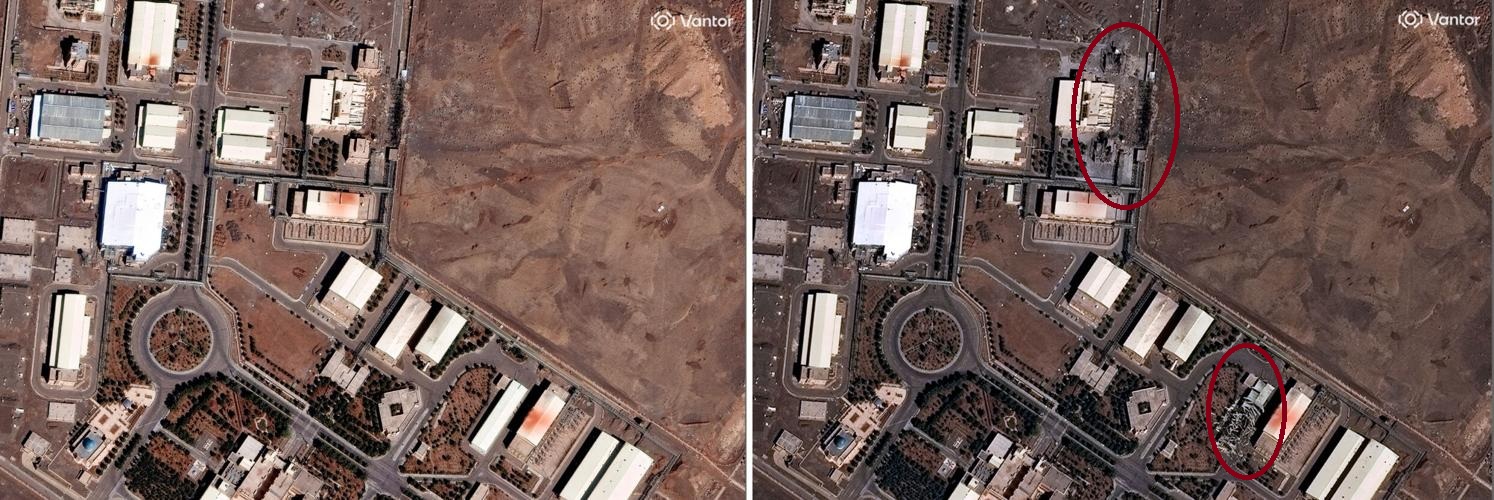
Iran still possesses 400 kilograms of 60 percent enriched uranium, and the exact location of that nuclear material remains unknown.
Land insurgency, boots-on-the-ground:
Mar 1, seven US military members died after an Iranian attack on troops in Saudi Arabia.Mar 8, two Israel soldiers were killed in southern Lebanon, where its military is fighting Hezbollah.
President Trump said he may deploy ground troops in Iran for limited strategic purposes. He also said that such an operation would occur only after Iran 'would be so decimated that they wouldn’t be able to fight at the ground level.'
Attacks and impact on the oil economy:
Feb 28, the IRGC closed the Strait of Hormuz, denying ships access to cross it. An estimated 20% of global petroleum flows annually through it.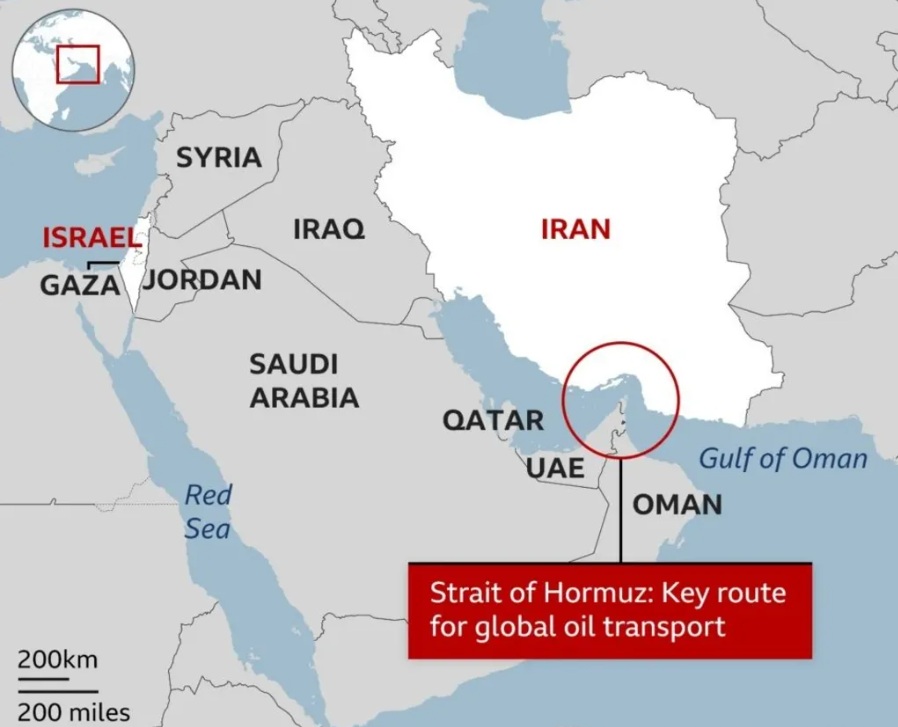
Mar 2, Qatar Energy, one of the world's biggest exporters, halted production following military attacks on its facilities. The Ras Tanura refinery, the world’s largest offshore oil loading facility was hit and partially shut down in Saudi Arabia.
Mar 8, oil depots in Tehran smouldered following Israeli strikes. In its first airstrikes on Iran's oil facilities, Israeli warplanes hit five major oil installations around Tehran, including the Tehran Refinery and the Shahran Oil Depot.
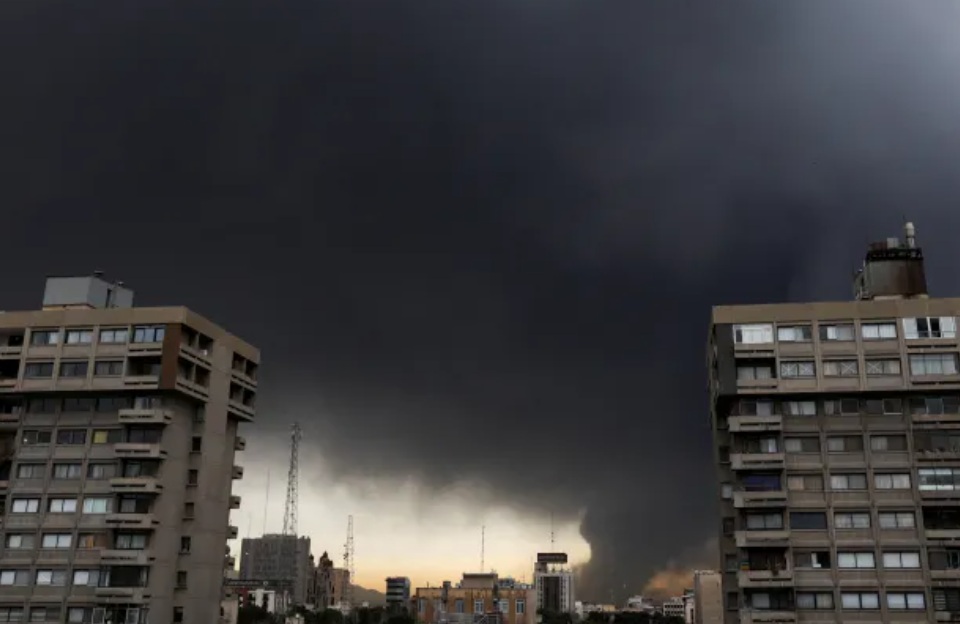
Mar 9, the war shook global energy markets, pushing oil prices above $100 a barrel and leading to tighter supplies of natural gas after Qatar turned off its production. Prices were a little over $70 per barrel on Feb 28th.
Fuel storage tanks at Kuwait International Airport were indeed struck and damaged.
Energy infrastructure in Bahrain also came under attack. The Bapco Refinery was among the sites hit during the strikes. These facilities play an important role in storing and processing fuel supplies for the country.
Oil production cuts have been announced by several Gulf countries. Kuwait, the fifth-largest producer in the OPEC+ group reduced production as a precaution. Iraq oil production has also taken a major hit. Output fell to roughly 1.3 million barrels per day. Before the war began, the same fields were producing around 4.3 million barrels per day. The United Arab Emirates, the third-largest oil producer in OPEC, said it is carefully adjusting offshore production levels also.
Attacks on Desalinization Plants and water supply:
Iran claimed a US airstrike damaged a desalination plant at Qeshm Island in the Strait of Hormuz. It had cut into the water supply to 30 villages.Bahrain accused Iran of damaging one of its desalination plants though its electricity and water authority said supplies remained online.
Desalination plants supply water to millions of residents in parched desert nations.
Attacks on civilians and Government, private infrastructure:
In the first ten days the war had killed at least 1,230 people in Iran, over 397 in Lebanon and at least 11 in Israel.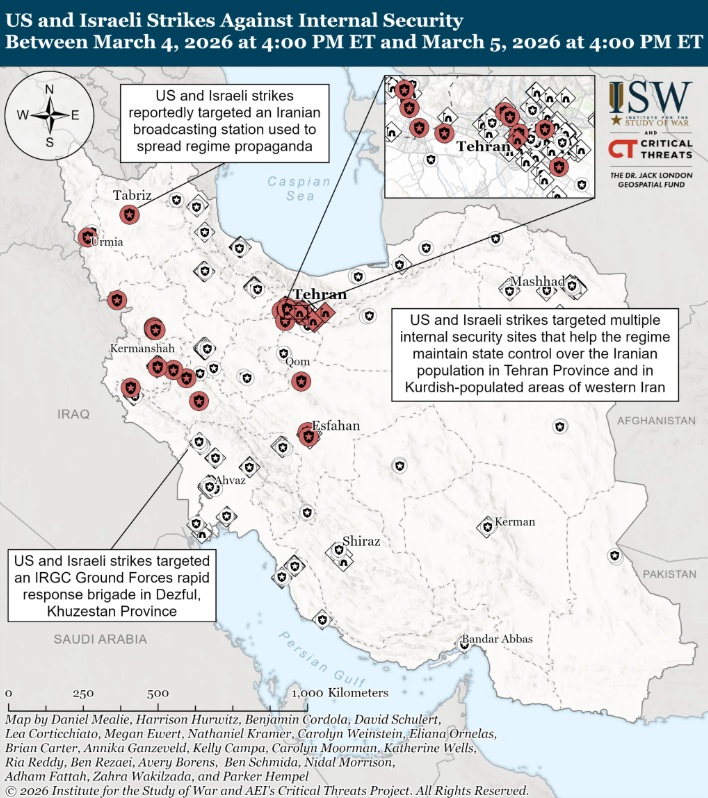
Iran also struck US diplomatic missions in Saudi Arabia, Kuwait, and the UAE.
Summary of the first ten days of war:
While the Israel-US strikes have been devastating in power and accuracy, leveraging deep intelligence to gain unparalleled decapitation gains, the mounting cost and sustainability of the campaign remain a concern.Iran has, in what was an unforeseen and perhaps unintended response, created a 'Gulf-Trap', drawing the entire Gulf region into the war that the US cannot easily exit. Exiting the war to shorten it, like in Jun 2025, would leave allied Gulf countries and bases exposed. US Gulf allies will resent the abandonment and trust in Washington's ability to protect friendly countries will erode.
Iran's missile and drone strikes on US bases have demonstrated a capability of high precision strikes at long range. The cost asymmetry between low-cost Iranian drones and missiles and high-cost interceptors is a growing concern for the US. Interceptor stock depletion is also gaining attention.
The world is watching to see whether the US and Israel will deploy boots on the ground for limited special operations to address remaining nuclear threats, as President Trump has indicated he is willing to consider. Israel has existential threats and a deep-rooted historical memory of past excesses that underpin its operation for a regime change in Iran. How it achieves its goals will play out over the coming weeks.
+ + + + + + + + + + + + + + + + + + + + + + + + + +
Read More Stories at...